Electronic Potential (Volts), Current (Amperes), and Resistance (Ohms) are what define ohms law. Ohms law is the foundation for all electronics because it is the relationship between the three fundamentals of electrical energy.

Electronic potential is the ability to create a charge because of the fact that there is a separation of charges. Electronic potential is synonymous with the word volt because it is what levels in electricity are defined as. Voltage differences are the changes in electronic potential when amperes and ohms are constant.

Amperes are the unit used to measure electric current. In simpler terms, it is the amount of current that is flowing within an electric circuit. Amperes are a physical representation of the amount of current that is inside of a flowing circuit. For example, one amp is the amount of current produced by a force of one volt acting through the resistance of one ohm.
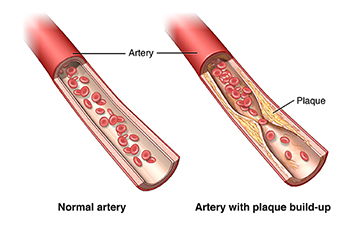
Finally, ohms are defined as an electrical resistance between two points. One way to imagine an ohm is to imagine an artery. Now if that artery has no blockage, or resister, the blood will flow normally; however, if there is plaque built up in the artery, then the blood will flow slower back to the heart because of the lack of surface area to move through. This is similar to how an ohm works inside of a current. It is the element in a circuit that halts the flow of electricity and determines the pace of its flow.
 X-ray X-pert